News
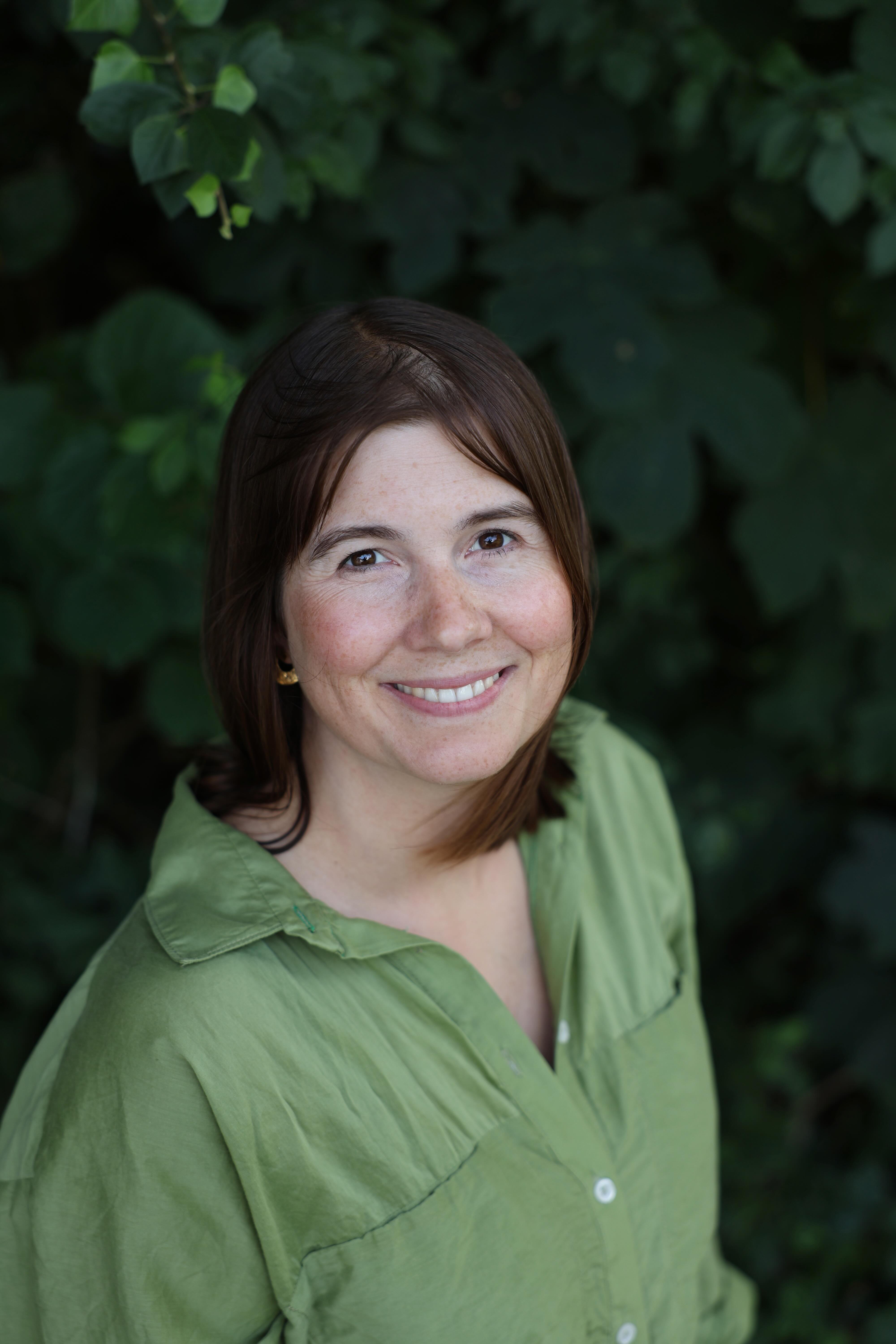
Charlotte Wagner, S.M. '18, Ph.D. '21
Carbon emissions, pollution and other environmental challenges are complex, and the effects of policy changes can be difficult to predict. Without modeling tools, policymakers lack the reliable data necessary to make effective environmental policy.
Charlotte Wagner, S.M. '18, Ph.D. '21, knows all about environmental modeling. As a Ph.D. candidate in environmental science and engineering at the Harvard John A. Paulson School of Engineering and Applied Sciences (SEAS), Wagner focused her dissertation on global modeling of persistent organic pollutants such as pesticides and industrial chemicals. She was advised by Elsie Sunderland, Fred Kavli Professor of Environmental Chemistry and Professor of Earth and Planetary Sciences.
“I became really interested in the fate and transport of chemicals in the environment, the intersection between human pressures and how we affect the environment, and then how it potentially comes back to haunt us,” Wagner said.
Since leaving SEAS, Wagner has spent the last five years developing modeling tools for climate and environmental policy as a senior scientist in the Boston headquarters of the Stockholm Environment Institute (SEI), a global research non-profit organization. Based in the SEI’s Energy Modeling Program, she’s worked on modeling tools covering a range of topics, including energy grid optimization, agriculture and forest land use, and water resource management.
“Models and tools are really the instruments that we can use to explore different policy pathways and think about which one is the most beneficial to take,” she said. “The core work is energy modeling, but I see myself in a lot of the greater goals that the program has: supporting sustainability, working with countries around the world, in particular lower- and middle-income countries, doing hands-on modeling, and working in lots of different topics as well.”
Born in Germany, Wagner was long interested in the intersection of environmental policy and environmental science. She pursued her bachelor’s in political science and environmental policy at University College Maastricht in the Netherlands, then a master’s degree in environmental health at the Cyprus International Institute of Public Health and the Environment.
After working for two years as an editor for a forum analyzing food packaging for health risks, Wagner returned to academia.
“It was always clear to me that I was going to do a graduate program, but not necessarily a doctorate,” she said. “I was looking to work on modeling persistent pollutants in the environment, and there were actually not that many groups that did that at the time. I think there were four or five that were well-known, Elsie Sunderland being one of them, so I decided that was the way that I wanted to go.”
The modeling skills Wagner developed at SEAS have proven essential to her current work. The tools she’s worked on and with have already impacted global climate change policy: During the current round of Nationally Determined Contributions under the Paris Agreement, 34 countries have used SEI modeling tools to help assess and plan how to meet their climate commitments.
“We usually work very closely with the national ministries, trying to figure out what they have already put on the tracks in terms of policy development, and how we can reflect that in the models, expand their horizons, and train them using the models to identify key target areas,” she said. “Clearly people care to build quantitative scenarios that they can actually follow and update regularly.”
Because of the tools she’s helped develop, Wagner understands the scope of interconnected climate, energy and resource challenges that policymakers face. That includes relatively new innovations such as artificial intelligence data centers, which can require large amounts of power, land and water to operate.
“Energy access and availability has become a real issue now in democracies that are highly industrialized, and for a long time that wasn't the case,” she said. “Energy consumption was pretty stable or even declining, efficiency was gaining traction, different mechanisms of transport were helping, and now that's really changed. There's been a lot of thinking about whether we can get the energy that we need to function as societies. We have some projects around the resource or energy resilience and energy access plans that we need to make in order to be more resilient when these types of situations happen.”
Wagner went directly from SEAS to SEI, applying for an open scientist position while finishing her degree. The job offered everything she wanted: access to the environmental policy space she studied as an undergraduate, but also opportunities to directly apply the skills she developed here.
“I found that the pathways to do that through a pure liberal arts or social science background were less interesting than through more of a quantitative toolkit,” she said. “I've gained expertise in some new areas, and I still get to learn and develop new tools. At the same time, I've been able to work on topics that I've worked on for a long time, so it has brought together different parts of my background in a really useful way.”
Topics: Climate, Environment, Environmental Science & Engineering
Cutting-edge science delivered direct to your inbox.
Join the Harvard SEAS mailing list.
Press Contact
Matt Goisman | mgoisman@g.harvard.edu