News
Electrochemical synthesis — using electricity to drive chemical reactions — promises to reduce industry’s reliance on fossil fuels by replacing some of the typical drivers of chemical reactions, such as extreme temperature and pressure, with an electric current drawn from inexpensive renewable energy.
However, current electrochemical processes tend to be slow or inefficient, hindering their ability to supplement or replace existing industrial routes. One possible reason for this performance gap is the mismatch in operating temperatures between electrochemical and thermochemical systems. Many electrochemical systems operate near room temperature, even though industrial chemical processes often run much hotter.
Multiple studies have demonstrated that temperature impacts specific electrochemical reactions and devices, but no study to date has provided general recommendations on temperature ranges for electrochemical processes.
A recent paper, Zachary Schiffer, Assistant Professor of Applied Physics at the Harvard John A. Paulson School of Engineering and Applied Sciences (SEAS), and co-author Virginia Canestraight, a Ph.D. student in Schiffer’s group, does just that.
Drawing on more than 2,000 patents for heat-driven chemical processes, Schiffer and Canestraight identified 80 to 260 degrees Celsius — or about the range of a typical oven — as a practical intermediate-temperature range for industrial electrochemical synthesis.
The research offers a framework to guide both experimental and theoretical efforts toward designing more efficient and scalable electrochemical processes.
Virginia M. CanestraightZachary J. Schiffer; Kinetic and Thermal Advantages of Intermediate Temperature Electrosynthesis. ACS Electrochem. 6 August 2026; 2 (8): 1818–1830. https://doi.org/10.1021/acselectrochem.6c00104
Topics: Applied Physics, Climate, Environment
Cutting-edge science delivered direct to your inbox.
Join the Harvard SEAS mailing list.
Scientist Profiles
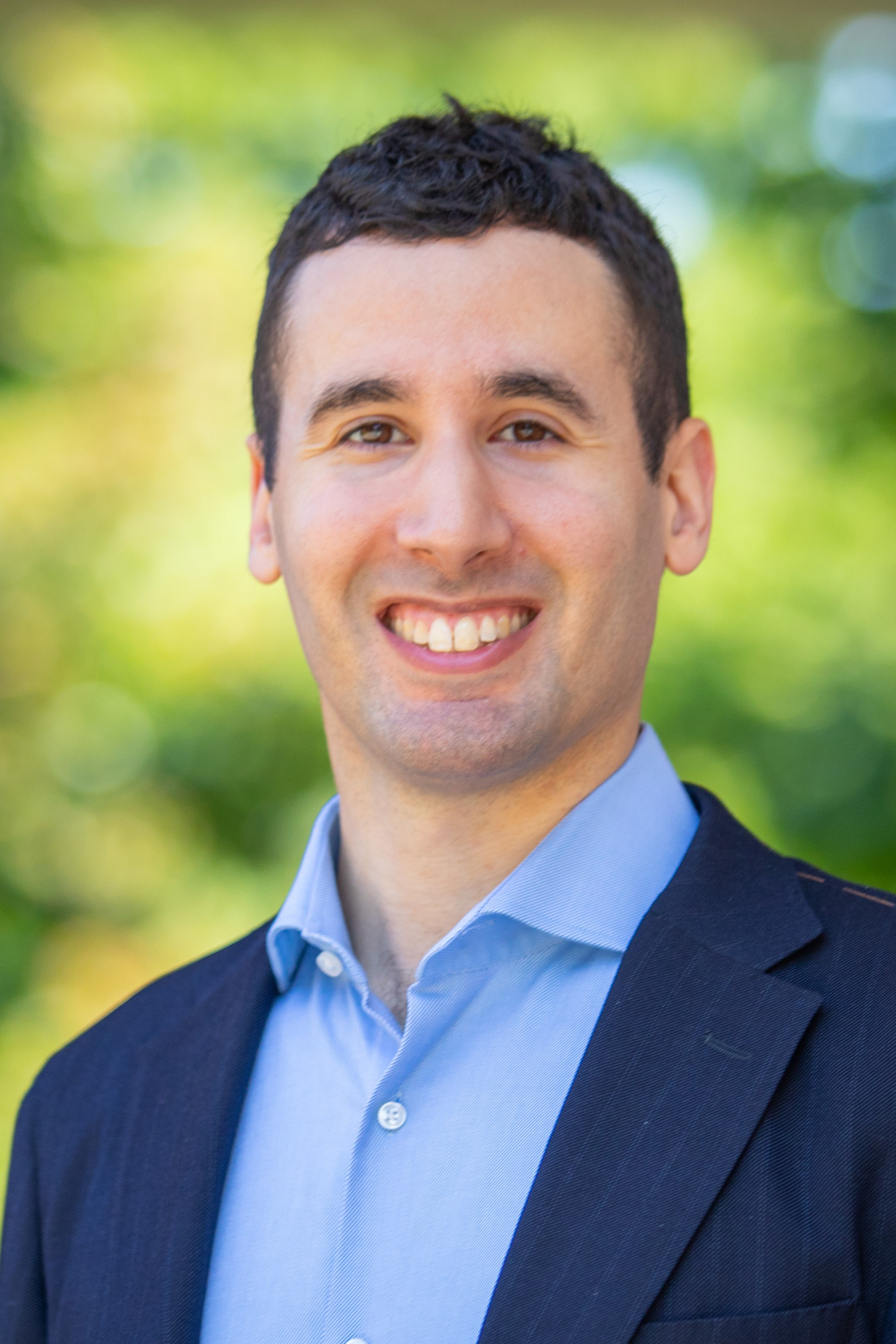
Zachary Schiffer
Assistant Professor of Applied Physics
Press Contact
Leah Burrows | 617-496-1351 | lburrows@seas.harvard.edu