Mission in Action
Artificial Intelligence
Today’s revolution in artificial intelligence didn’t come out of nowhere. Decades of research provided the theoretical and technical backbone for the massive scaling of generative AI models that are changing how we work and learn today. As computing power, data, and technology continue to evolve, SEAS researchers are focused on building the next generation of AI that is more capable, trustworthy, and efficient — AI that has the capacity to advance and enable scientific research itself.
Our researchers are working across disciplines to build the foundations and infrastructure for this next leap forward in capability. We are building AI that integrates with sensors, wearable devices, and equipment to plan, execute, and analyze tasks in real time. We are harnessing AI to pioneer advances in optics and materials design, synthetic biology, drug discovery and biomechanics, energy system modeling and more.
At SEAS, we aren’t following an AI trend — we are building the foundation for what comes next.
The possibilities enabled by AI will come more quickly than we can imagine. At SEAS, we are pushing the frontiers of AI to advance science and engineering, transform education, and bring positive impact to the world.

AI For Science And Engineering
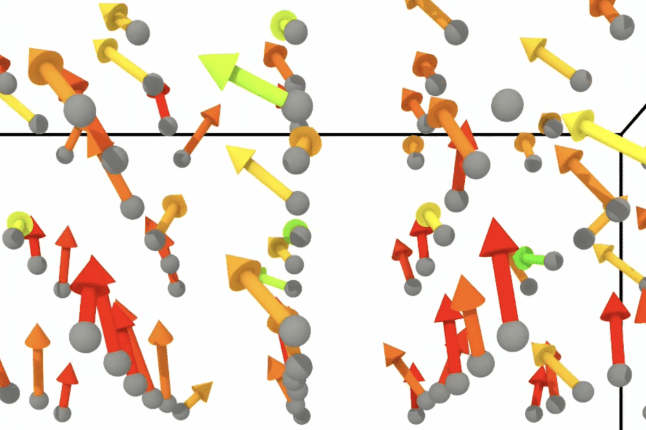
At SEAS, AI is increasingly woven into the heart of scientific discovery. Researchers are using AI to do new kinds of science and to accelerate traditional experimental and theoretical work. Our researchers are using AI tools to make breakthroughs in materials design, bioengineering, cellular therapeutics, environmental science, and more. Here, we are training an “AI‑first” generation of scientists and engineers who treat intelligent tools as standard instruments of discovery.



The Future is Physical
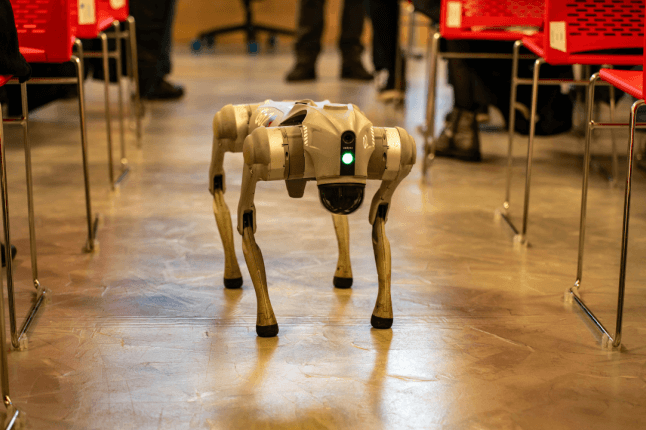
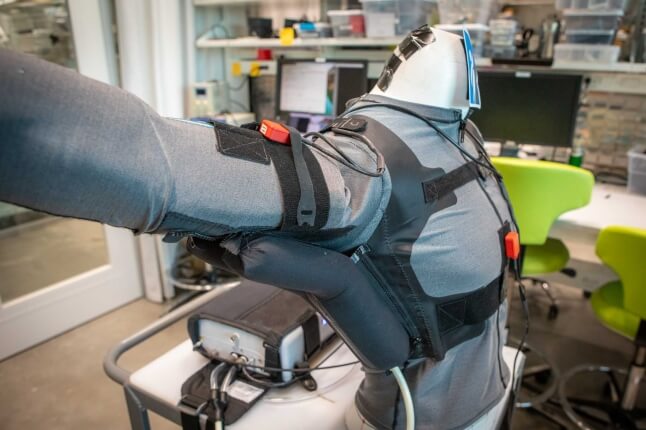
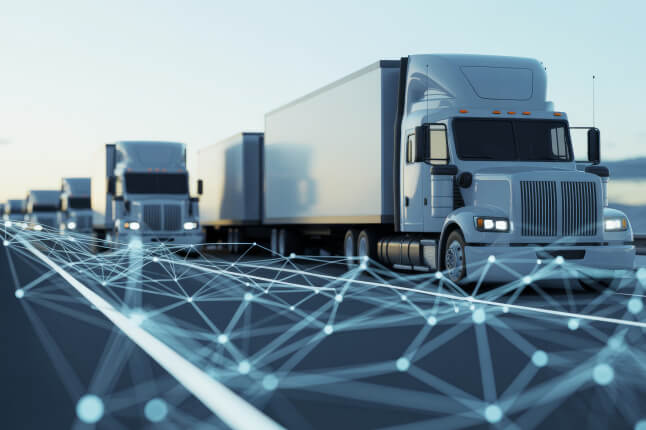
At SEAS, researchers are building a future where AI-powered devices work alongside human teammates in labs, factories, clinics, remote research bases and more. Our researchers are connecting advanced learning models with real‑world sensors, robots, and wearable devices to create AI systems that can perceive, decide, and act in dynamic environments. By developing methods that let machines learn from human motion, interpret rich visual and sensory data, and coordinate across teams in uncertain settings, SEAS is advancing physical AI — making it safer, more adaptive, and more reliable to deploy in real-world environments.



AI Innovation And Entrepreneurship
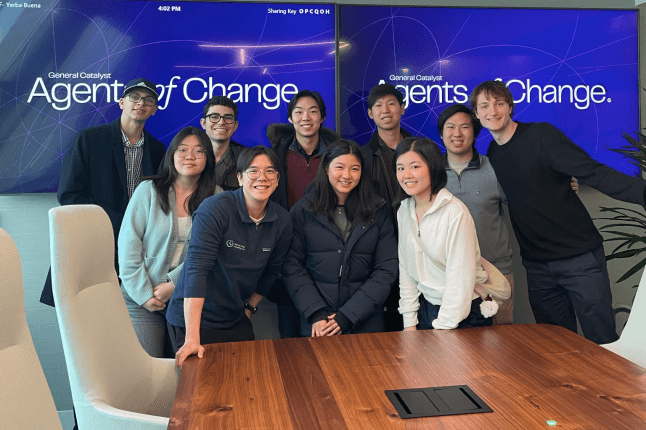
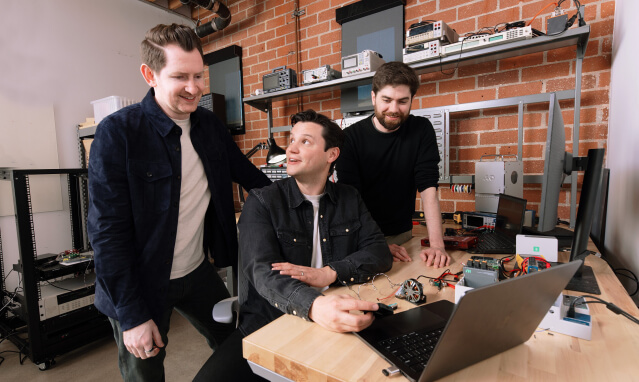
SEAS alumni are building companies that turn cutting‑edge research into real-world impact. Drawing on strong foundations in computer science, applied mathematics, and engineering, our alumni are developing AI to make complex work more efficient and help professionals in fields from healthcare to infrastructure and industry. Many of these ventures grew directly out of projects that began at SEAS, where students learn to pair technical depth with entrepreneurial thinking.
Next-Gen AI Systems: Stronger, Safer And More Aligned
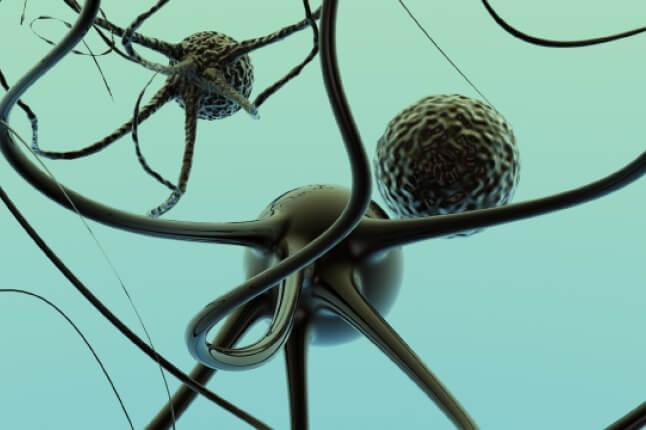
The next generation of AI systems will need to be faster and more powerful than current models, as well as safer, more transparent, and aligned with human values. At SEAS, researchers are attacking these challenges from multiple directions: using neuroscience to inspire new model architectures, developing techniques that expose and correct hidden behaviors and biases, and designing new AI systems that support, rather than replace, human learning, judgment and creativity.


AI + Societal Challenges
Learn how SEAS researchers are using AI to tackle some of society's biggest challenges.
In the Classroom and Beyond
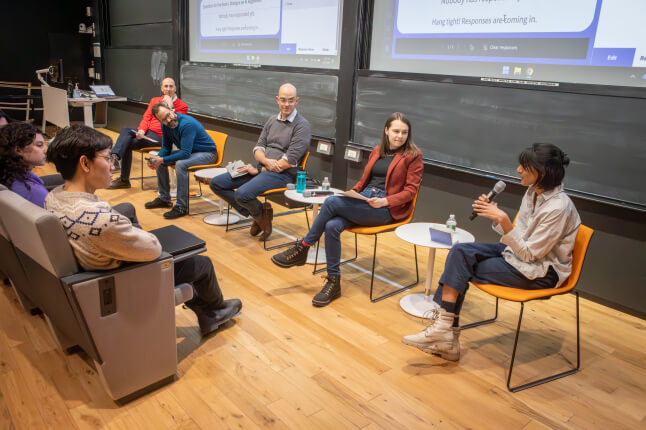
In SEAS classrooms, maker spaces and lecture halls, students are learning how to use AI systems critically — probing their limits, checking their work, and understanding the ethical stakes of deploying them in the real world. New and redesigned courses invite students to experiment with AI for programming, data analysis, and design, while also tackling questions of bias, safety, and alignment. In collaboration with centers and institutes from across the University, including the Harvard Grid, the iLab and more, students gain opportunities to build novel AI applications and study their impact — preparing them to be thoughtful and innovative leaders in the field.