Mission in Action
Energy, Sustainability and Climate
In 10 years, will we have energy abundance or be living through an energy crisis? Will our aging grid be keeping pace with AI, electrification and extreme heat? Can we meet the demand for clean-energy materials without shifting the environmental burden elsewhere?
At the Harvard John A. Paulson School of Engineering and Applied Sciences (SEAS), researchers and students are working toward a future with clean, reliable energy, a resilient grid and technologies that help communities adapt to a changing climate. Our work spans the clean energy transition, grid management, green computing, sustainable materials, and climate monitoring, sensing and modeling. By turning fundamental discoveries into practical solutions designed to scale, SEAS is helping make energy abundance and climate resilience go hand in hand — advancing human potential while protecting vulnerable communities and the environment and resources we all share.
As humans, we’re driven to do more — to build, discover and expand what’s possible. At SEAS, we’re developing the science and engineering to advance human potential while making the health of our planet and communities central to how we design and innovate.

Power and Energy
At Harvard SEAS, we’re working toward a future where clean energy is abundant, reliable and available when and where people need it. We’re working to strengthen the power grid as demand grows and improve the energy efficiency of our buildings and industrial processes. By bringing materials science, electrical engineering and computer science together, we’re tackling a shared challenge — building power and energy systems and industrial manufacturing that supports our needs and reduces environmental impacts.



Green Computing
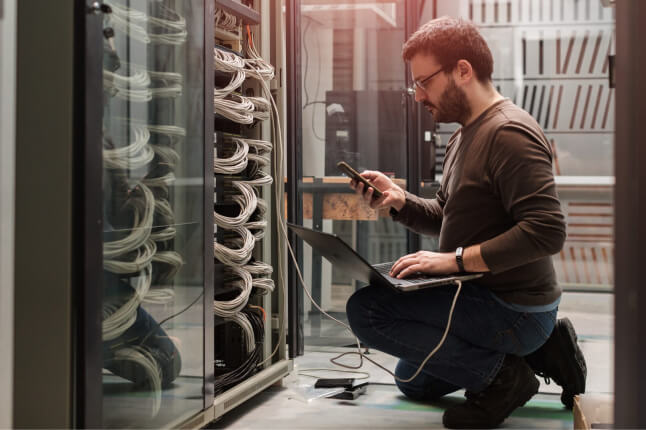
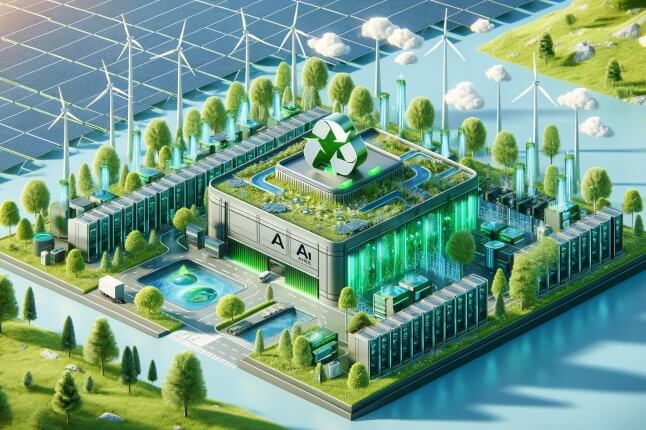
SEAS researchers are working to ensure that the growth of computing and AI doesn’t come at the cost of a growing carbon footprint. We’re developing ways to measure computing’s environmental impact across the life of a device — from manufacturing and daily use to recycling. Our researchers are designing energy-efficient hardware and smart architectures. By building sustainability into the systems behind AI and other emerging technologies, we’re helping shape a future where technology can advance human potential while using energy and materials more responsibly.
Climate Solutions
We’re developing tools and technologies to help communities understand a changing climate and prepare for its impacts. We’re using satellite data and atmospheric modeling to make methane emissions easier to track, creating new ways to monitor wildfires and exploring approaches to capture carbon. By combining discovery with practical innovation, we’re working toward a future where better information and climate solutions help protect people and the planet.


Alumni Impact
Our graduates are driving meaningful impact, leading global sustainability initiatives, and translating innovative research into real-world change.



Start-Up Spotlight
Our ventures and entrepreneurial breakthroughs are translating cutting-edge SEAS research into scalable commercial solutions for global impact.

Empowering Future Leaders
At Harvard SEAS, we are empowering the next generation of leaders to develop bold, hands-on projects to address climate challenges and create a sustainable future.